
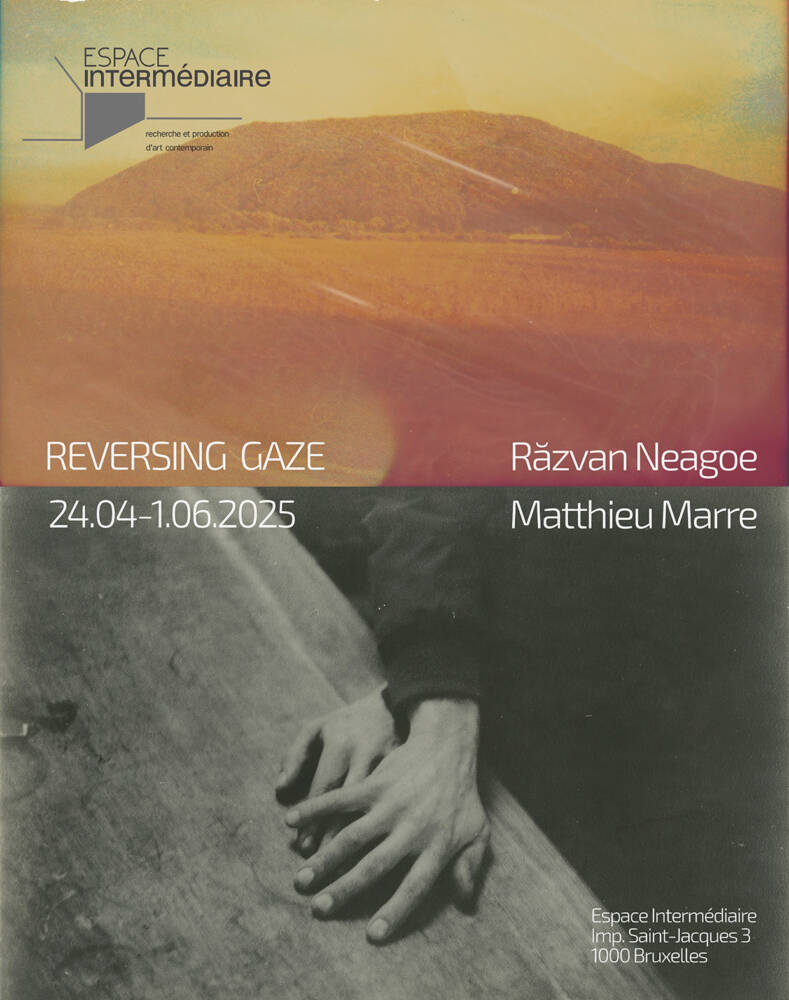
Răzvan Neagoe, Matthieu Marre,
24.04-1.06.2025,
Galeria Espace Intermédiaire, Bruxelles
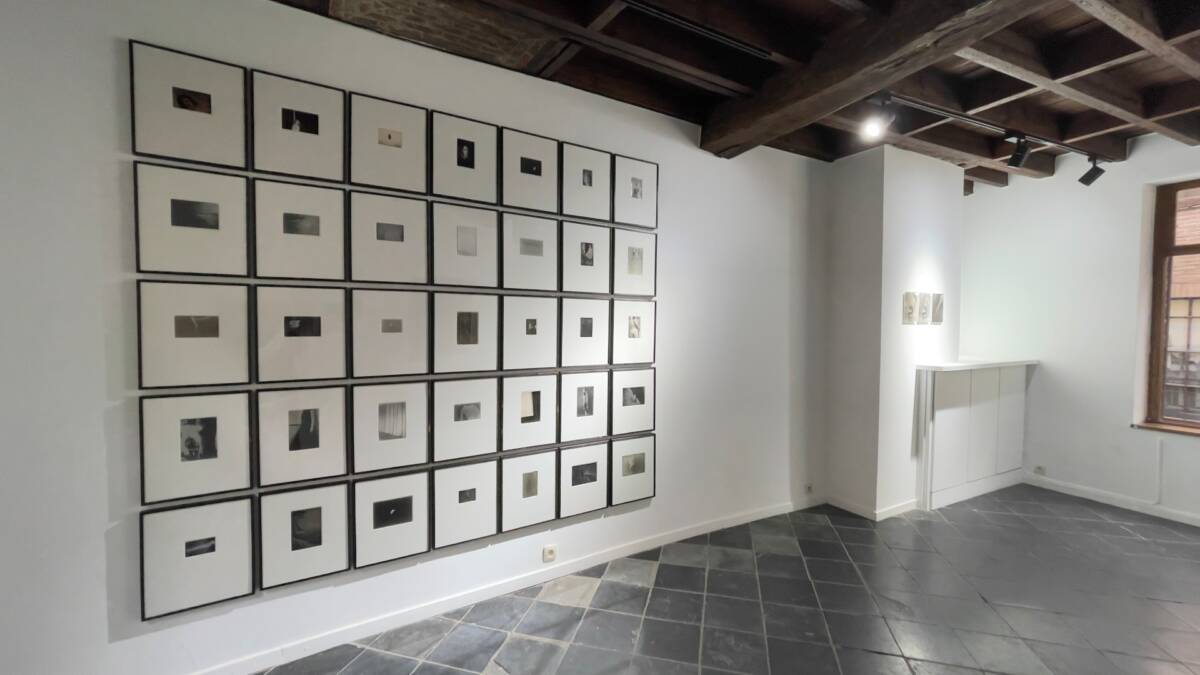
„Tăiați-mi nervul optic, că văd în interior”, mi-a spus un prieten în vis. Din punct de vedere biologic, locul de inserție a nervului optic este legătura noastră cu lumea vizibilă, dar și singurul loc de pe retină cu care nu vedem – un punct orb. Psihanaliza consideră conștiința un fel de punct orb – care blochează cunoașterea adevărată. Ca să vedem ceea ce e invizibil, ceea ce e ascuns în adâncurile psihicului nostru, trebuie să ne întoarcem privirea spre interior, să inversăm privirea.
Fotografia analog pare legată inextricabil de vizibil, de ceea ce este acolo, în fața aparatului. Cu toate acestea, mulți fotografi o folosesc ca să descrie experiențe interioare, impalpabile și inefabile. Camera obscură a aparatului a fost comparată cu inconștientul. Imaginile realității sunt absorbite de aparatul de fotografiat și ies transformate, ca un negativ fotografic developat în camera obscură a minții noastre. Ambii fotografi din această expoziție sunt preocupați de lucruri care nu sunt vizibile, straturile secrete ale realității, care nu vorbesc ochiului ci unui simț obscur care nu a fost încă descoperit. „Inconștientul optic” cum ar spune Walter Benjamin. Fotografiile lor sunt făcute din aceeași materie cu visele și amintirile.
Matthieu Marre (FR, Bruxelles)
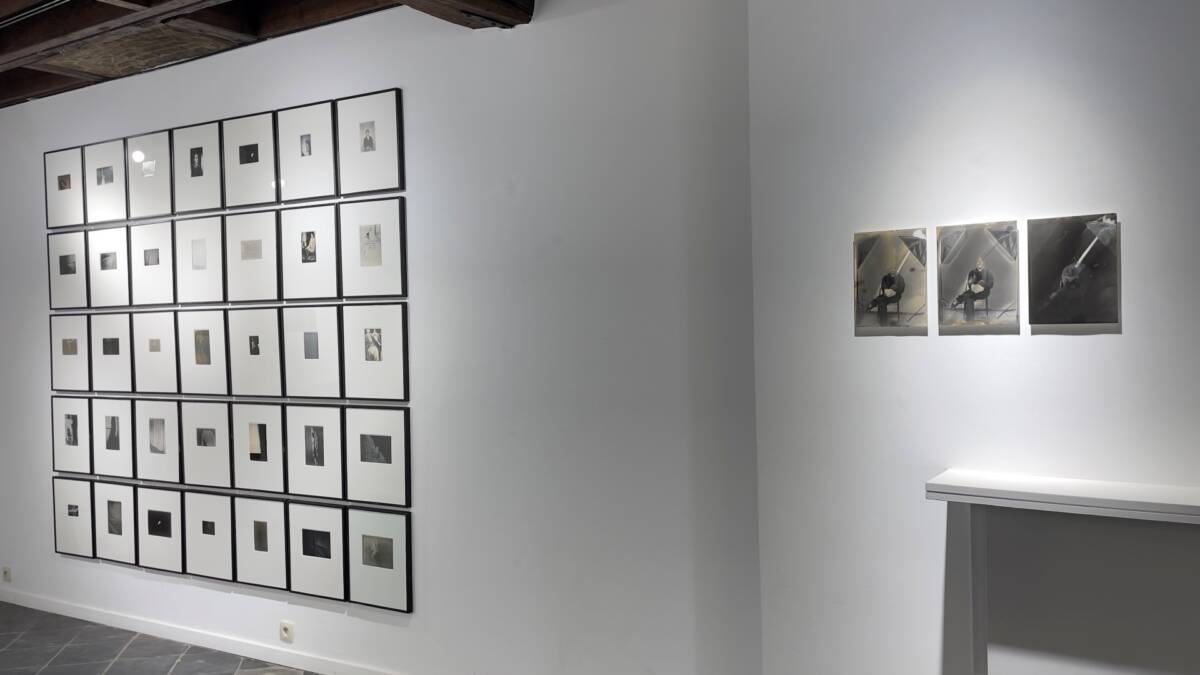
Fotografiez din iubire. Pentru ceea ce rămâne neînțeles. Pentru mistica pe care fotografia o ascunde, aceea a camerei obscure care intră în conflict cu evidența fluxului neîncetat al conștiinței. Camera obscură ca o poartă spre subconștient și o expresie posibilă a magiei existenței. Jocuri ale ochiului și ale inconștientului, ale dorinței și ale morții, ale emoțiilor fugitive, ale timpului care trece, ale identității care se inventează. Sap o brazdă la capătul căreia sper să găsesc o formă de decantare. La sfârșit, tot ceea ce rămâne sunt clișeele și iubirea care emană din ele. Doar și totuși. În sensul acesta, demersul e întotdeauna același. Urmez cuvintele lui Roland Barthes care spune într-un interviu: „Fiecare dintre noi vorbește o singură propoziție pe care doar moartea o va întrerupe”. Vorbesc despre mistic și subconștient, adică îmi imaginez actul fotografic capabil să reveleze ceva ce a putut fi simțit dar nearticulat, la frontierele limbajului. Imaginea legăturii între sine și celălalt. Și ce suntem dacă nu ființe ale legăturilor? Fotografiez cu urgența dorinței, din nevoia de complicitate, din nevoia de a mă simți ancorat. De aceea m-am concentrat gradual pe oamenii pe care îi iubesc, peisajele, obiectele și interioarele pe care le simt privindu-mă, pentru că doar prin acestea se poate stabili o rezonanță cu sinceritate și adâncime, cu semnificație, minimizând ipocrizia, ideile preconcepute și gunoiul evidenței. Pentru că știu în parte ce se află în spatele acestor personaje și decoruri. Și prin iubire împărtășită (să fim prudenți, totuși, cu „împărtășită”) misterul lucrurilor are șansa să vibreze.
Răzvan Neagoe (RO, București)
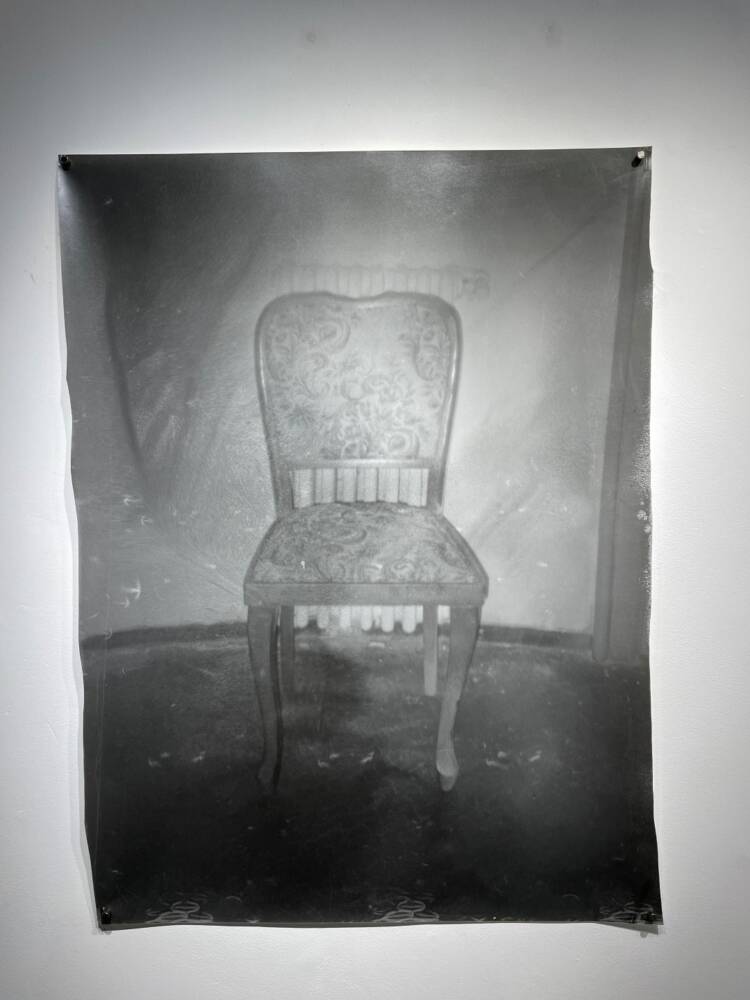
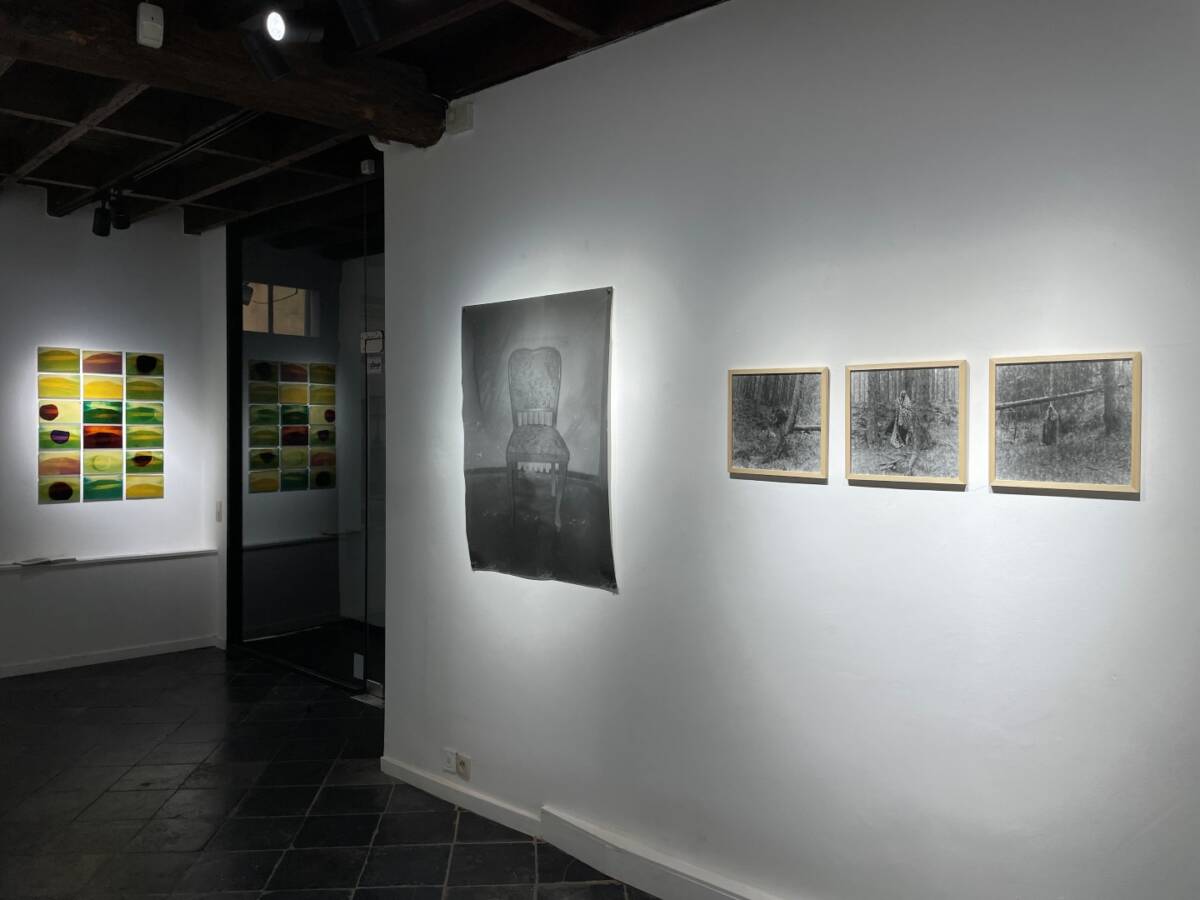
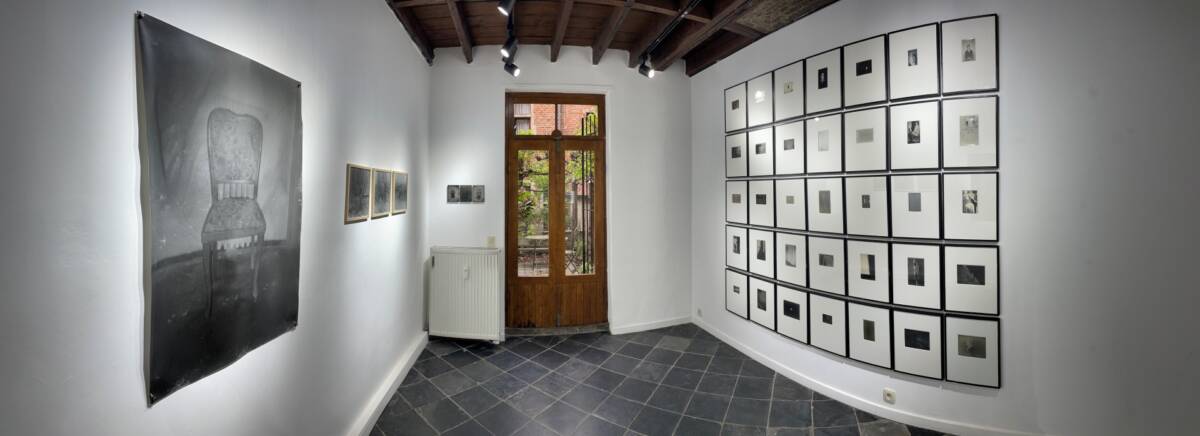
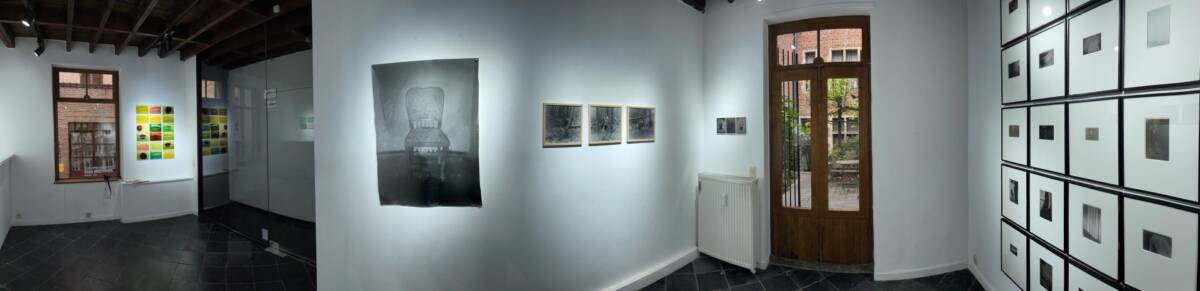
Lucrările alese pentru expoziție reflectă cadre, tehnici și subiecte caracteristice pentru călătoria mea artistică din ultimii ani. Temele propuse spre contemplare reprezintă un teritoriu care trebuie în continuu cercetat în spațiul interior sau exterior. Imaginea pe care o propun este rezultatul unei informații vizuale fragmentate, care vorbește despre schimbările successive pe care le-am memorizat într-un interval specific, sau niște fragmente vizuale ale unui moment sau unei clipe. Cum am mai spus-o, îmi place să „pictez” în camera obscură. Pe lângă teme sau subiecte, explorarea în întuneric ca parte a fotografiei este un teritoriu înclinat spre meditație și experiment. Peisajul-Portret, Autoportretul-Portret, Scaunul-Portret, pot fi interpretate ca expresii ale imaginii mai degrabă decât imaginea în sine. Selecția lucrărilor expuse continuă pe linia experimentelor cu aparate defecte, filme și hârtie expirată, și în cazul colodiului, cu soluții expirate. Interpretarea peisajului și transformarea aceluiași cadru reprezintă pasajul succesiv sau alternativ de la o stare la alta, schimbarea aspectului. Scaunul devine o reflecție senzorială a unei imagini mentale sub formă de senzații și percepții. Și Autoportretul-Portret devine o reprezentare plastică a aparenței unei personae. Imaginea color sau alb-negru poate fi interpretată ca o formă brutală sau rudimentară între imaginea contemporanp și cea tradițională.











Reversing Gaze
Răzvan Neagoe, Matthieu Marre,
24.04-1.06.2025,
Espace Intermédiaire gallérie , Bruxelles
“Severe my optic nerve, I can see within”, my friend told me in a dream. Biologically, the insertion of the optic nerve is our link to the visible world, but also the one place on the retina where we cannot see – a blind spot. For the psychoanalysis, the consciousness is a kind of blind spot – one that prevents true knowledge. In order to see what is invisible, what is hidden within the depths of our psyche, we have to turn our eyes inward, to reverse the gaze.
Analog photography seems inextricably linked to what is visible, to what is there, in front of the camera. However, many photographers use it to depict inner experiences, impalpable and ungraspable. The dark chamber of the apparatus has been likened with the unconscious. The images of reality are absorbed into the camera and come out transformed, like a photographic negative developed in the dark room of our mind. Both photographers in this exhibition are concerned by things that are invisible, the secret layers of reality, that speak not to the eye but to an inner sense yet to be discovered. The “optical unconscious” as Walter Benjamin would say. Their photographs are from the same stuff that dreams and memories are made of.
Matthieu Marre (FR, Bruxelles)
Răzvan Neagoe (RO, Bucharest)









Recent Comments